Government disbursement experiences are not the same for every recipient. Younger consumers, especially Gen Z and millennials, are more likely than older consumers to run into problems. They are more likely to wait for funds to clear, wonder when money will be available, chase delayed checks or go through added identity checks. These problems do more than create inconvenience. They can force consumers to delay bills, borrow money, pay late fees or use payday loans while they wait.
This friction also creates operational costs for government agencies. Many younger recipients spend time checking payment status or contacting agencies when disbursements are late or unclear. That means slow payments can create pressure on both sides of the transaction. Consumers lose time and financial flexibility. Agencies absorb more inquiries, reissuance requests and service burdens.
The opportunity comes thanks to faster account deposits via debit card—enabled by Visa Direct—which helps facilitate payments across much of the private sector. Younger consumers use these tools in many parts of their financial lives, making slower government disbursements feel out of step. The report argues that faster, more secure disbursement options could help reduce financial stress, improve the recipient experience and strengthen confidence in public payment systems.
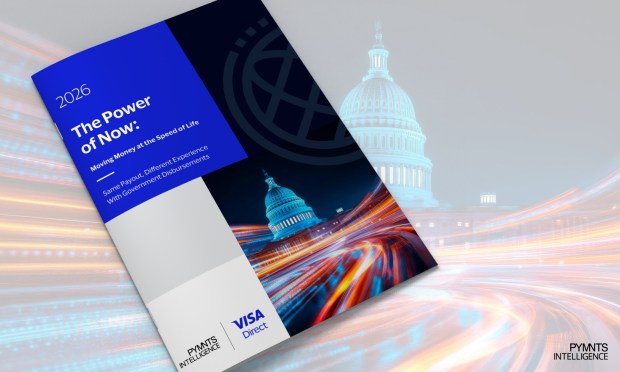
In “Moving Money at the Speed of Life: Same Payout, Different Experience,” learn how:
- Government disbursement problems vary sharply by generation. Gen Z and millennials report more friction than older consumers across speed, choice, convenience and security.
- Delayed disbursements create a chain reaction. A late tax refund, disaster payment or other government disbursement can lead to late fees, borrowed money and more calls to government agencies.
- Payment modernization can serve both recipients and agencies. Real-time deposits via debit card can reduce uncertainty while helping agencies cut avoidable service costs.
About the Report
“Moving Money at the Speed of Life: Same Payout, Different Experience With Government Disbursements” is the July 2026 edition of The Power of Now, a PYMNTS Intelligence and Visa Direct collaboration. PYMNTS Intelligence surveyed 2,323 U.S. adults who received at least one government disbursement (federal, state or local) in the past 12 months. The survey was fielded from December 2025 to January 2026.
The survey measured disbursement types received, delivery methods, speed of receipt, urgency of need, choice in disbursement method, credential submission channels, problems experienced, consequences of late disbursements, satisfaction with disbursement experience and perceptions of government tied to disbursement performance.