
Japan
 Abuse of Superior Bargaining Position in Japan – Its Development and Current Position
By Atsushi Yamada1 Introduction Abuse of Superior Bargaining Position (“ASBP”) is drawing increased attention in Japan. While this concept can also be seen in some jurisdictions outside of Japan, such as Korea and Taiwan, many significant jurisdictions including the US and the EU do not have such a concept ingrained within their competition laws […]
 Recent Developments in Competition Policy in Japan
The digital economy continues to grow massively worldwide, and agencies around the world have been exploring options for greater regulation in the digital economy, including for digital platforms. Recently, thirteen competition authorities, including those of the G7 and four guest authorities, have worked together to discuss respective approaches to promoting competition in digital markets and […]
Below, we have provided the Japanese translation of the full transcript of our panel discussion Mobile Ecosystems: Competition, Choice and User Protection. Read below to see the timely discussion where a panel of experts deepened the discussion regarding this topic, and how it specifically relates to Japan. 大軒 敬子: こんにちは、大軒敬子です。 本日、CPIのTVプログラムの モデレーターをさせていただきます。 『モバイルエコシステム:競争、選択、ユーザー保護』 というトピックです。 デジタル経済における競争は、明らかにエコシステム間の […]
Below, we have provided the full transcript of our panel discussion Mobile Ecosystems: Competition, Choice and User Protection. Read below to see the timely discussion where a panel of experts deepened the discussion regarding this topic, and how it specifically relates to Japan. Takako ONOKI: Hello, I am Takako Onoki. Today I will be moderating […]
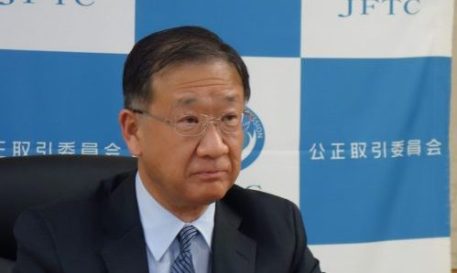 CPI Talks… with JFTC Chairman Kazuyuki Furuya
In this month’s edition of CPI Talks… we have the pleasure of speaking with Mr. Kazuyuki Furuya, Chairman of the Japan Fair Trade Commission (“JFTC”). Thank you, Chairman Furuya, for sharing your time for this interview with CPI. 1. The JFTC, on November 27, 2020, published its final report on the survey conducted on […]
 Regulating Digital Ads: Is a Global Approach the Way Forward for Japan and Other Advanced Economies?
This article addresses the problem of the regulation of digital advertising in Japan from a comparative and global perspective. There are a number of possible concerns about digital advertising, ranging from the lack of transparency of transactions and “unfair” conduct to conflicts of interest and self-preferencing by certain operators, from the way personal data are […]
 Recent Developments in Competition Law and Policy in the Digital Economy in Japan
In Japan, a new law for regulating digital platforms called the DP Act became effective on February 1, 2021. The discussion is going on whether to expand the scope of the DP Act to include digital advertisement. The JFTC recently proactively conducted merger reviews in the digital economy, such integrations of digital platforms and so-called […]
Below, we have provided the full, Japanese transcript of the panel discussion, Online Advertising, Market Competition, Data and Transparency: Opportunities & Challenges for the Ads Ecosystem in Japan, from the third chapter of our series, Towards a Competition Enabling Framework in Asia Pacific: Opportunities & Challenges. ダニエル・ソコル: フロリダ大学で教授を務めるダニエル・ソコルです。本日は、CPIの日本支部のモデレーターとして、日本におけるオンライン広告市場の競争、データと透明性の機会と広告エコシステムの課題について専門家のご意見に耳を傾けます。本日は、これらの問題の最前線で活躍されている実務家や学者の方々にお集まりいただきました。東京都立大学教授 伊永大輔氏と、在日米国商工会議所競争政策委員会委員であり、ホワイトアンドケース法律事務所の弁護士の大軒敬子氏、ロンドンのキングスカレッジ法学部教授のレナート・ナッツィーニ氏、そして慶應義塾大学経済学部准教授でCPRC客員研究員、UTokyo経済コンサルティングのチーフエコノミストを務める久保研介氏の4人での皆様です。冒頭のコメントから始め、その後、質疑応答を行います。では、まず、デジタル広告の経済学について説明してください。 久保研介: ダニー、紹介ありがとうございます。特に日本という観点から考えると、垂直統合と間接的なネットワーク効果という非常に重要な2つの問題があるということから始めたいと思います。まず垂直統合についてですが、従来の広告業界を振り返ってみると、広告代理店が広告主をパブリッシャーに直接つなぐという意味で、垂直統合されていたと思います。そして今日、Googleがデジタル広告で垂直統合するという場合、Googleが広告主とパブリッシャーを直接結びつけているということです。つまり、直接のつながりが実現したという意味では、私たちは振り出しに戻ったようなものです。しかしなぜそんなに時間がかかったのかというのが問題です。それは、この業界が元来、実に細分化されていたからで、従来の広告代理店は、デジタル広告ビジネスを取り扱う能力を備えていなかったのです。 そこで、そのバリューチェーンの中で様々な機能を提供するこのような新規事業が誕生し、Googleもその一つでした。中でもGoogleとFacebookは、買収だけでなく、有機的な成長によって、市場の2つの異なる側面を結びつけることに成功したわけです。有機的な成長は、実際に多くの新技術やイノベーションも生み出しました。もちろん、このプロセスを通じて様々な効率も向上しました。垂直統合が一般的に効率の向上につながることは周知の事実といっても過言ではないでしょう。最もよく知られているのは、ダブルマージンの排除です。他にも、投資の円滑化、情報共有の改善などの効果があります。では、なぜ垂直統合がそれほど重要なのか、それは、フォークロージャー(差押さえ)効果、すなわち顧客フォークロージャー効果とインプットのフォークロージャー効果があるからです。 デジタル広告については、おそらく今回も議論になると思いますが、日本ではある種の問題が指摘されています。その一つが、デジタルプラットフォームが自動選択するといわれる自分の好み、ユーザーの嗜好というものです。その実践については、日本でもいくつかの異なる形態が議論されていますが、自分の好みによる選択が実際に行われているかどうかは、未解決の問題だと思います。また、垂直統合された企業が享受する一定のメリットがあるのかどうか、またその理由が効率によるものなのか、それとも反競争的と主張される行為によるものなのか、というのはまた別の疑問として存在します。 もう一つ別の経済的な問題、つまり間接的なネットワーク効果の問題に移りたいと思います。これは垂直統合と密接に関連しており、市場の2つのプレーヤー、つまり広告主とパブリッシャーが、Googleのようなデジタルプラットフォームを通じてつながっているために、間接的なネットワーク効果が発生するのです。 このように、2つの異なるプレーヤーが1つのプラットフォームを通じて接続されることで、間接的なネットワーク効果が発生し、このようなネットワーク効果で最も重要なことは、様々な効率を向上させることだと思います。実際、英国の合併評価ガイドラインを見てみると、他のすべての点で同等であるならば、間接的なネットワーク効果は、消費者の福祉の向上につながると明示的に述べています。つまり、価格が同じであれば、ネットワーク効果がない場合と比較して、ネットワーク効果があった方が消費者にメリットがあるということです。だからといってネットワーク効果は、おそらく主として競争を促進する効果があると考えられるため、ネットワーク効果が反競争的な影響を与えるとみなすのは間違いです。しかし、同時に、同じ英国の合併ガイドラインでは、ネットワーク効果は、例えば、事業者が1つしかない市場では、ネットワーク効果のためにその事業者が市場を支配するよう転換する効果をもたらす可能性があるとしています。 […]
 Competition Law and Sports in Japan: A New Olympic Legacy?
Given the increasing number of self-employed workers, recently the Japanese competition authority has been more and more engaged in human resources markets. In terms of sports, regulations on player transfers between teams invite close scrutiny. Based on its fact-finding survey, the Japan Fair Trade Commission published its guidance on the matter. The guidance clarifies that […]
 Antitrust in Times of National and Global Emergencies
By Reiko Aoki (Japan Fair Trade Commission)1 Introduction The COVID-19 pandemic is being compared to the Spanish flu and other pandemics of the past. Past experiences predict that society and the economy after the pandemic, when it subsides, will look very different from how it did at the start of 2020. We should anticipate […]
 Recent Developments in Japanese Cartel Enforcement – Time for a Change?
By Atsushi Yamada – This year, the Japan Fair Trade Commission celebrated the 10-year anniversary of the leniency system in Japan. As of March 2016, there had been a total 938 applications since the system’s introduction in January 2006. This article outlines a number of recent cartel enforcement developments in Japan.
This article is part of a Chronicle. See more from this Chronicle Douglas Ginsburg, Joshua Wright, Bruce Kobayashi, Koren Wong-Ervin, Oct 14, 2015 For those interested in digging deeper into the subject, we’re providing links below to four comments made to Canada, Japan, China, and Korea regarding their respective approaches to Intellectual Property. The first two […]
Featured News
FTC, State Regulators Step Up Scrutiny of Data Collected From Connected Vehicles
Feb 20, 2026 by
CPI
FTC Asks Appeals Court to Reinstate Expanded Merger Disclosure Rule
Feb 19, 2026 by
CPI
Lawmakers Seek GAO Review of State and Federal AI Regulations
Feb 19, 2026 by
CPI
UK Flags Editorial Content Concerns in Getty-Shutterstock Merger
Feb 19, 2026 by
CPI
DOJ Examines Warner Bros. Sale as Theater Chains Voice Concerns
Feb 19, 2026 by
CPI
Antitrust Mix
Antitrust Chronicle® – The Gig Economy
Feb 19, 2026 by
CPI
Market Power and Governance Power: New Tools for Antitrust Enforcement in the Decentralized Gig Economy
Feb 19, 2026 by
Seth C. Oranburg
10 Years of Labor Antitrust Guidance: Lessons for Workers and the Gig Economy
Feb 19, 2026 by
Richard Powers & Michael Swerdlow
Antitrust & Gig Workers: Labor Exemption As Protection
Feb 19, 2026 by
Marina Lao
Beyond Non Competes: Platform Tethered Non Circumvention Clauses for Digital Platforms
Feb 19, 2026 by
Scott Nelson, Hugh Hollman & John Baker