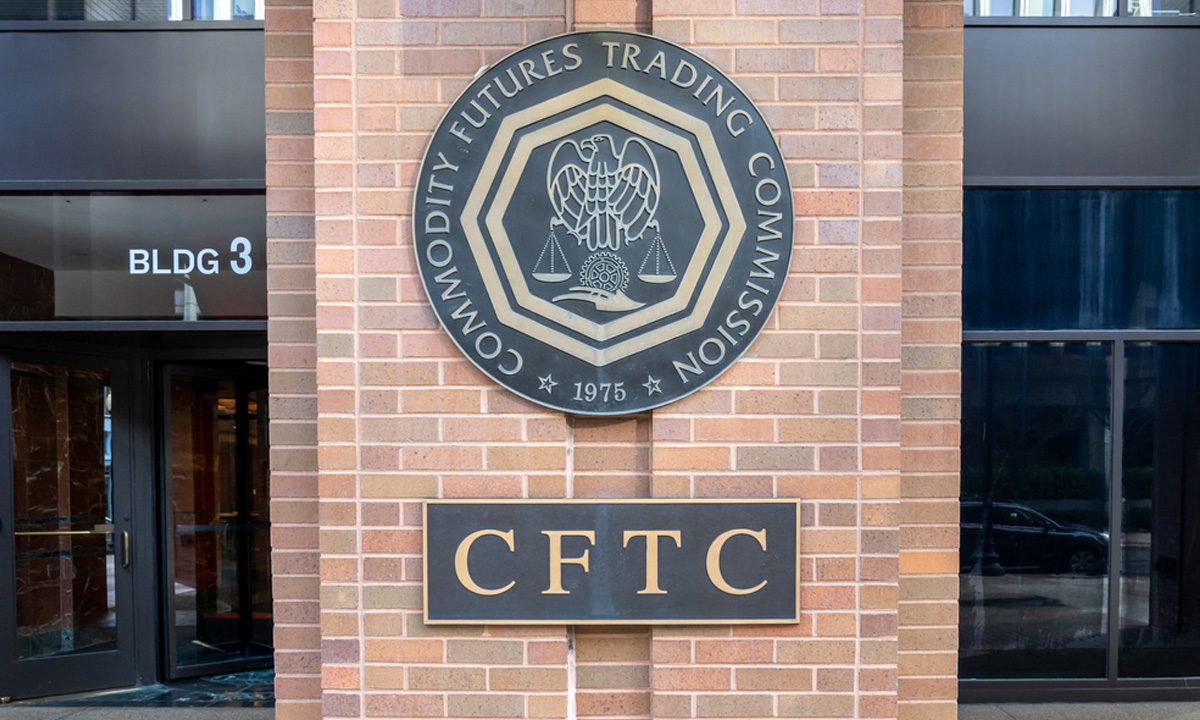
Derivatives exchanges, swap trading venues and clearinghouses in the United States can count bitcoin, ether and qualifying payment stablecoins toward the financial reserves they need to cover a year of operating costs, Commodity Futures Trading Commission staff said in a Monday (Nov. 23) advisory. These assets must be counted at a discount and remain ineligible for the separate liquidity requirement, which calls for cash or highly liquid securities.
The advisory gives regulated market operators more flexibility over which assets they hold to absorb business losses. It also marks a step in the CFTC’s effort to integrate digital assets into regulated finance, Decrypt reported Tuesday (Nov. 24). The guidance concerns the assets that exchanges and clearinghouses can use to support their own operations, extending that effort beyond the products they list or clear.
The CFTC’s Division of Market Oversight and Division of Clearing and Risk issued the advisory in response to questions from registered entities and applicants that already hold crypto in connection with their businesses. It applies to swap execution facilities, designated contract markets and derivatives clearing organizations. It addresses their operating-cost reserves, a financial cushion intended to help them keep functioning or wind down safely if they encounter trouble.
Firms must start with the current market value of the assets and apply a discount, known as a haircut, to account for volatility risk. Staff said in the advisory that it would accept a minimum 20% haircut for bitcoin and ether and a 2% haircut for qualifying payment stablecoins. At those rates, $1 million in bitcoin would contribute $800,000 toward the operating-cost requirement, while $1 million in qualifying stablecoins would contribute $980,000.
The stablecoin category is limited. Before the GENIUS Act takes effect, the advisory’s definition requires a dollar-denominated token from a specified type of regulated issuer, with reserves limited to cash, U.S. Treasurys or overnight Treasury repurchase agreements and monthly attestations. Once the law takes effect, its definition of a payment stablecoin governs. Firms that want to count other crypto assets should consult the relevant CFTC division, according to Decrypt. A token that is hard to sell and falls outside the payment stablecoin category would generally receive a 100% haircut.
Staff also urged firms to consider whether falling crypto prices could coincide with operating losses. A venue whose business suffers during a crypto downturn could see the value of its reserves shrink at the same time it needs to draw on them. A haircut reduces the amount a firm can count today, while the value credited toward the requirement still moves with market prices.
Swap execution facilities must hold at least three months of operating costs in unencumbered cash or highly liquid securities. The minimum is six months for designated contract markets and derivatives clearing organizations. Under the staff’s analysis, the crypto assets covered by the advisory fall outside these categories, including payment stablecoins designed to track the dollar. A firm can therefore meet its overall operating-cost target and still fall short of the liquidity minimum.
Decrypt placed the advisory alongside other recent CFTC actions on crypto, including allowing perpetual futures on individual stocks and issuing no-action relief that lets crypto apps offer regulated derivatives. These steps brought products and distribution channels into the regulated market. The reserve advisory addresses how the institutions that run these markets can finance their operations while keeping assets on hand to pay near-term obligations.
The advisory represents the views of CFTC staff and may not reflect the views of the commission. It creates no new rules or enforceable rights and provides no no-action assurance. For exchanges and clearinghouses weighing whether to count crypto, the advisory offers a way to value eligible holdings for the annual reserve calculation. Their ability to meet the liquidity floor still depends on a separate pool of qualifying assets.