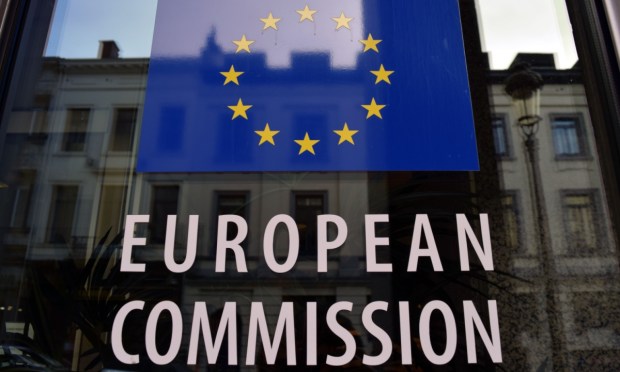
The European Commission (EC) announced Wednesday (Oct. 21) that it had opened a formal inquiry into whether the travel platform had violated the Digital Services Act (DSA) by not having “diligently assessed or effectively mitigated” threats related to fraudulent listings and phishing scams.
“Europeans should be able to book their holidays without fear of being scammed,” Henna Virkkunen, the EC’s executive vice president for tech sovereignty, security and democracy, said in a news release. “The Digital Services Act sets clear responsibilities on platforms to address these risks, and we must ensure that the leading booking platform in Europe takes those responsibilities seriously.”
The EC said it will examine whether Booking.com has properly assessed risks related to things like fake listings and impersonation fraud, and to whether the company has “diligently assessed and addressed the risks” posed by phishing scams.
“In particular, the investigation will focus on risks related to the way reservation and guest data is shared with accommodation providers, and the design and functioning of Booking.com’s messaging service,” the EC said.
We’d love to be your preferred source for news.
Please add us to your preferred sources list so our news, data and interviews show up in your feed. Thanks!
Beyond the fraud investigation, the EC said it will also look into whether Booking.com breached the DSA’s transparency rules because it failed to clearly label as ads listings from providers who paid for a higher ranking in search results.
Booking.com told Reuters it was cooperating with the commission, calling security, trust and personal information protection “top priorities” for the platform.
“We remain committed to working with relevant governments, regulators, law enforcement and industry partners to combat cybercrime and online fraud, and protect travelers and partners,” a spokesperson for the company said.
In other anti-fraud news, PYMNTS spoke recently with Erin West, founder and president of the scam prevention group Operation Shamrock.
West told PYMNTS CEO Karen Webster that she rejects the notion that scam cases are hopeless when the criminals are based overseas.
Scams, she argued, start with a contact via things like Instagram or WhatsApp, and that connection produces a record. Those records can be connected to another person, a shell company or a cloud account that comes with photographs and identifying details.
“If you keep pulling those threads, you can identify people,” West said.
Meanwhile, research by PYMNTS Intelligence has found a rising number of frauds going unreported. Eleven percent of scam victims said they chose not to report the incident at all, a 26% increase over last year’s figures.


 Add as Preferred Source