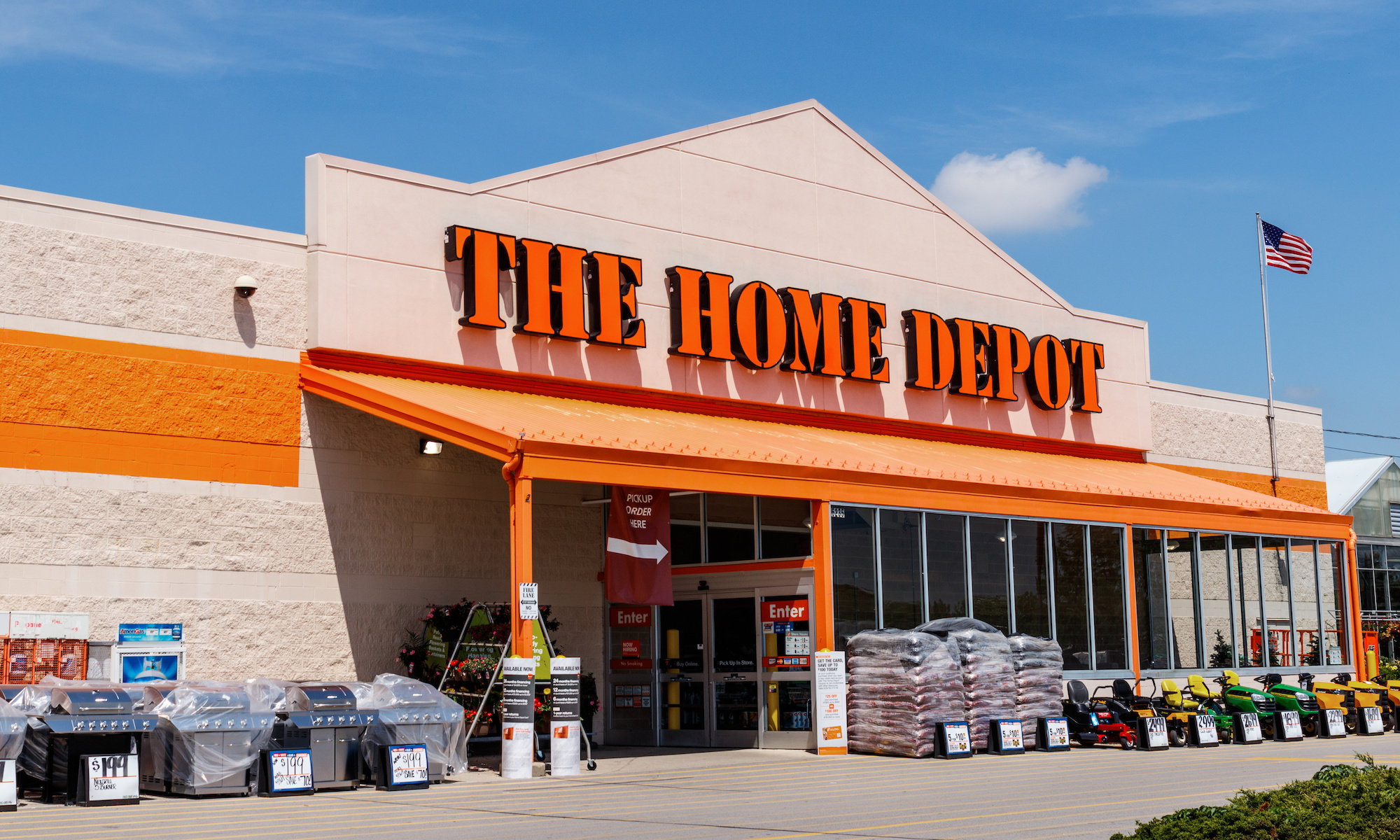
During its third-quarter 2026 earnings report Tuesday (Nov. 17), Home Depot announced that Chief Financial Officer Richard McPhail will become CEO effective Nov. 23, succeeding Ted Decker, who will remain board chair. Ann-Marie Campbell will become president and chief operating officer, while Jordan Broggi, a 13-year company veteran who most recently served as executive vice president of Interconnected Retail and previously as senior vice president of Finance, will succeed McPhail as CFO.
The transition comes as Home Depot reported third-quarter sales of $43.4 billion, up 4.9% year over year, and comparable sales growth of 2.2% both globally and in the United States, signaling an improvement in underlying demand even as housing affordability and consumer caution continue to influence larger renovation projects.
Yet the more consequential story may be what Home Depot is asking its next CEO to manage. Home Depot’s expansion into professional building materials distribution has changed its operating model, expanding its addressable market while introducing new operating costs and financial trade-offs.
Read also: Nvidia’s CEO Shakeup Reveals Why CFOs Are Corporate America’s Contingency Plan
The New CFO Inherits a Different Home Depot
Home Depot is evolving from a predominantly store-based home improvement retailer into a more complicated distribution, logistics and technology enterprise. Its acquisitions of SRS Distribution and GMS have extended the company’s reach into roofing, drywall, steel framing and other specialized construction materials.
That expansion creates opportunities for cross-selling and customer retention, but it also changes the company’s financial profile. Home Depot’s third-quarter gross margin declined 60 basis points year over year to 32.8%, reflecting higher input costs and changes in product mix associated with acquisitions.
The results highlight an important question for Home Depot and the broader retail industry. How much profitable growth can companies generate from digital convenience, professional services and acquisitions before the costs of delivering these capabilities begin to dilute the returns?
See also: Walmart and Home Depot Set the Rules for AI Shoppers
Digital Sales Are Growing Faster Than the Core Business
Home Depot’s digital performance was among the quarter’s strongest indicators of changing customer behavior. Online comparable sales increased approximately 13%, marking the sixth consecutive quarter of double-digit digital growth. The expansion outpaced the company’s 2.2% overall comparable-sales increase, suggesting that digital channels are becoming an important source of customer engagement.
Home Depot has invested in artificial intelligence-enabled search, broader online product assortments and integrated fulfillment capabilities. Its nationwide rollout of two-hour Express Delivery represents another effort to make the company’s physical distribution network more accessible to customers.
For professional contractors, faster access to building materials can reduce project delays and improve scheduling. For homeowners, it makes purchasing supplies more convenient without requiring additional store visits.
However, the economics of digital growth are more complicated than the sales figures suggest.
Faster delivery requires inventory availability, transportation capacity and coordination between stores and distribution centers. These capabilities can improve customer retention and increase transaction frequency, but they also create expenses that must be recovered through higher sales volumes, productivity gains or improved customer spending.
Read also: Home Depot and Lowe’s Turn Weak Housing Market Into Pro Push
The Next Earnings Test Is Share of Contractor Spending
Home Depot now expects fiscal 2026 total sales growth of approximately 4.5%, comparable sales growth of 1.4% and adjusted earnings-per-share growth of 2%.
Its adjusted operating margin forecast of 12.8% reinforces the importance of balancing growth investments against profitability.
The company’s professional strategy provides a potential avenue for expansion even while homeowners remain cautious about major renovations. But contractor demand is not immune to housing turnover, construction activity or financing costs. For Home Depot, the next phase of growth will depend on whether its combined retail, wholesale and digital infrastructure can capture more business from each professional customer without proportionately increasing operating costs.
That is the larger significance of its earnings report.
Home Depot is investing to become more than a destination for building materials. It wants to become the infrastructure through which contractors plan, purchase and complete projects. The financial payoff will depend on whether owning more of that procurement process ultimately produces more profit, not simply more sales.
For all PYMNTS B2B coverage, subscribe to the daily B2B newsletter.