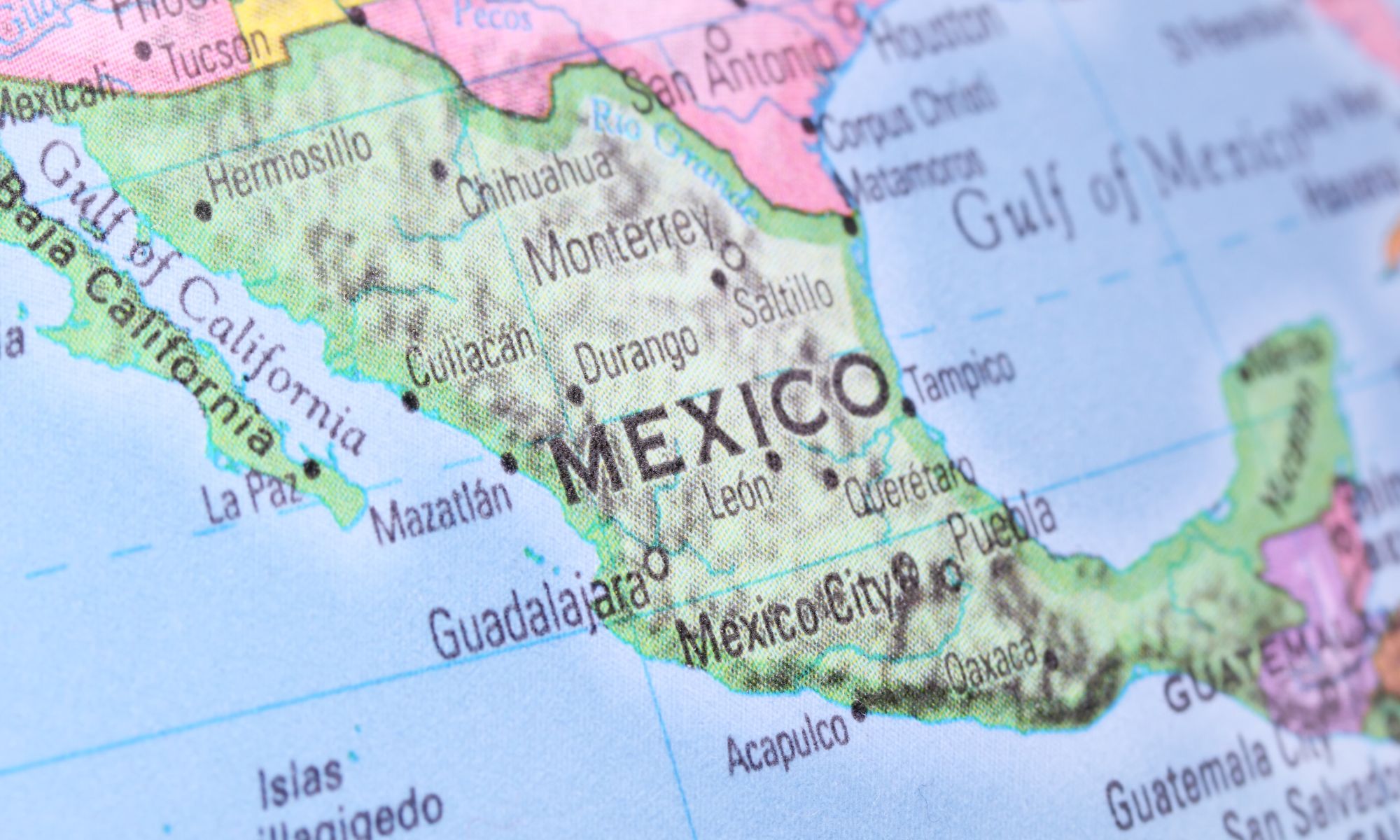
Mexican criminal organizations have reportedly begun targeting the country’s microlenders, seeking other revenue streams outside of drug trafficking.
As The Wall Street Journal (WSJ) reported Sunday (Nov. 22), these lenders tend to service lower-income entrepreneurs, primarily women in Mexico’s poorest neighborhoods.
Microlenders, the report said, provide $3.5 billion in loans, typically between $300 to $3,500, to 11 million clients, usually people who can’t qualify for funding from retail banks. They use the loans to begin or expand small businesses, often as part of Mexico’s informal and cash-based economy, WSJ added.
Now, cartels are trying to take over lending to these businesses in at least three Mexican states, Claudia Revilla, the director general of ProDesarrollo, a national network for microfinance, told WSJ. This gives the gangs more control over territory and local economies, which depend on cash. Access to capital must go through the cartels, which charge rates sharply above market levels, the report said.
“This tactic of trying to take over businesses is something new,” Revilla said. “And now it’s spreading.”
Microfinance lenders and clients who had been threatened were often reluctant to report the extortion to law enforcement, given the criminal infiltration of local law enforcement in some areas, added Revilla.
Once criminal groups take over microlending, access to capital becomes much more expensive — and dangerous, the report said. For example, a gang in Zacapu tripled the interest rate that borrowers paid to 60% over 14 weeks.
In the Acapulco area, one manager said the criminal takeover of microlending led some business owners to shut down rather than deal with the cartels.
One lender reported losing around 500 clients, and saw its employees threatened, abducted and beaten by gang members, WSJ added.
While some academic studies have shown that microfinance typically doesn’t improve borrowers’ economic conditions, many small-business owners in Acapulco interviewed by WSJ said the loans were critical.
Meanwhile, PYMNTS wrote earlier this month about some of the issues lenders run into when dealing with small and medium-sized business (SMB) borrowers.
Research by PYMNTS Intelligence found that 57% of financial institutions pointed to inaccurate or incomplete SMB records as an underwriting obstacle. Outdated information was mentioned by 52%, inconsistent information by 52% and limited financial histories by 48%. The findings were detailed in the PYMNTS Intelligence report “Keeping Score: Why Data Quality Determines Lending Decisions for the Smallest Firms.”