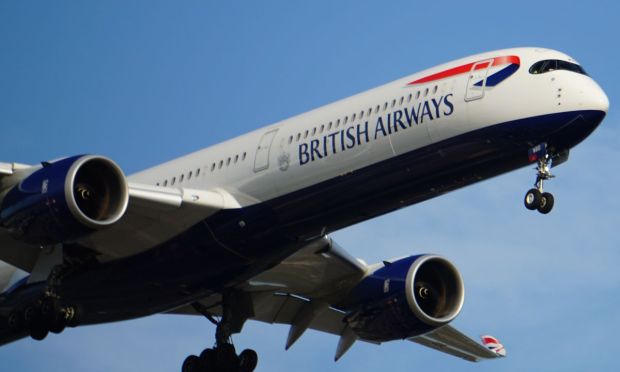
CEO Sean Doyle called the technology “game-changing” for cutting flight delays, telling the Financial Times that 86% of BA’s flights from Heathrow departed on time in the first quarter of 2025, the airline’s best performance on record, up from 46% in 2008. The airline hit 90% or better on-time departures on 38 of that quarter’s 89 operational days, Business Traveller reported.
BA’s delays and cancellations from Heathrow had more than doubled since the pandemic by last summer, the FT reported. The airline has since invested £100 million in operational resilience, including AI technologies and 600 additional staff at Heathrow, part of a larger £7 billion transformation program from parent company IAG.
“Whilst disruption to our flights is often outside of our control, our focus has been on improving the factors we can directly influence,” Doyle told FT. “The tech colleagues have at their fingertips has been a real game-changer for performance.”
A Stand-Planning Tool Saved 160,000 Minutes of Delay
BA’s improvement rests on a handful of specific tools, each aimed at a different point where disruption typically spreads across the network. One application analyzes passengers’ onward travel plans in real time, then assigns an incoming aircraft to the Heathrow stand that minimizes missed connections, British Airways said in its own announcement. Rather than assigning stands on a fixed rotation, the system weighs which connections are tightest for the specific passengers on board that flight. That tool has saved an estimated 160,000 minutes of delays.
A second system communicates directly with air traffic control centers across Europe to reroute aircraft around poor weather, preventing a further 243,000 minutes of delays, according to the same announcement. Because the system talks directly to European air traffic control rather than waiting for a human dispatcher to coordinate a reroute, it can act before a storm front actually reaches the airspace BA’s aircraft would otherwise fly through.
A third tool flags routes likely to face disruption before any delay occurs, giving ground teams time to intervene early rather than reacting once a delay has already spread across the network.
BA’s Progress Holds Up Under Independent Scrutiny
FT’s own analysis of Civil Aviation Authority data found that BA flights from Heathrow have been less likely to face severe disruption than rival airlines over the 12 months ending in February, confirming the improvement independently rather than relying on the airline’s own reporting. The same data carries one caveat: Flights delayed more than an hour still exceed pre-pandemic levels at Heathrow, meaning BA has improved from a genuinely bad starting point without yet fully recovering to where it stood before COVID.
John Strickland, an aviation consultant, told the FT that BA’s turnaround was necessary given how far the airline had fallen. “They had to turn it around,” Strickland said.
“We know all airlines coming out of COVID had a hard time, but BA was really struggling.” He cautioned that the first quarter is typically an airline’s quietest period, and that peak summer will be a tougher test of whether the improvements hold.
For all PYMNTS AI coverage, subscribe to the daily AI Newsletter.