A borrower denied credit after a lender reviews rental history has different rights depending on how the lender obtained the record. A rent history supplied by a consumer reporting agency, for example, comes with a statutory process for disputing errors with that agency.
In that scenario, if a landlord supplies the information directly and it contributes to the denial, the borrower generally has the right to request a description of the information from the lender. In either case, the lender is responsible for explaining its decision within 60 days of the written request of the consumer.
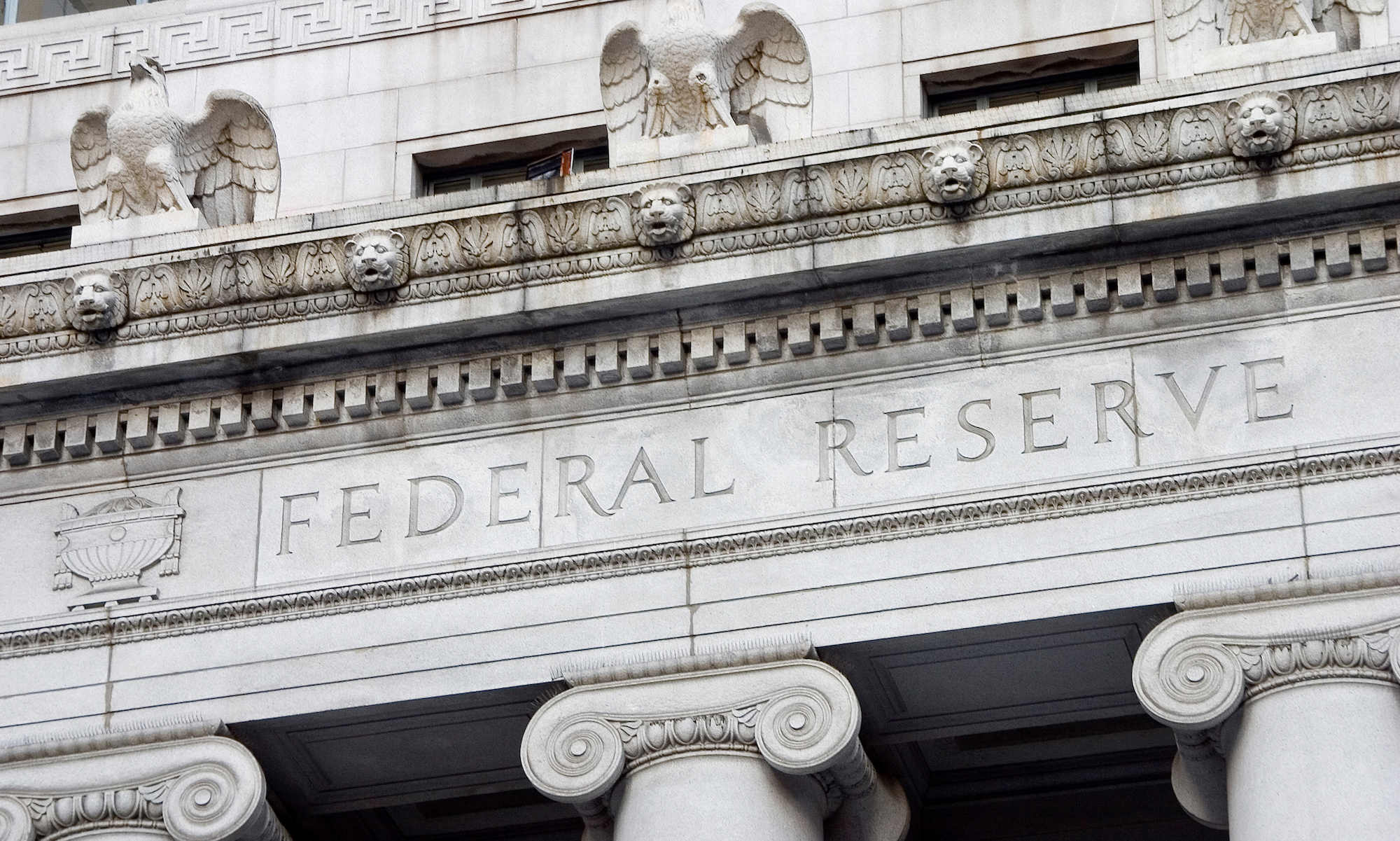
Federal Reserve Governor Michael Barr’s Monday (Nov. 16) speech in Milan offers new considerations as a growing range of data sources is becoming available to lenders. Barr said rental payments, utility bills and employment patterns offer potential evidence of creditworthiness, while warning that consumers often lack a way to review or challenge the information. He called for accessible dispute procedures, ongoing fairness monitoring and detailed records of how artificial intelligence models are validated.
The case for looking beyond conventional card histories surfaced in the May PYMNTS Intelligence report “Who Is the Subprime Consumer? A Behavioral Profile.” It found that 35% of subprime consumers held neither a credit card nor a store card, compared with 12% of prime consumers. Widening the spigot of information used to determine creditworthiness would arguably broaden financial inclusion.
What the Lender Must Explain
Regulation B generally requires creditors to give applicants the principal reasons for adverse action or tell them how to request these reasons. The explanation must reflect the factors actually considered or scored. In practice, a bank that counted irregular deposits as evidence of unstable income must establish whether the AI model saw all the accounts the applicant connected and how it classified the deposits it received. A borrower who is paid weekly should have a way to challenge an income calculation that leaves out one of these paychecks.
The data is already reaching lenders through new channels. In October, Plaid introduced Instant Link, which lets eligible applicants share cash flow information with lenders by connecting accounts to Plaid’s consumer reporting agency, PYMNTS reported.
The Office of the Comptroller of the Currency’s Nov. 12 Semiannual Risk Perspective found that some banks are already testing or deploying customer-facing generative and agentic AI. Banks are adapting oversight through measures that include “human review,” and implementations should be “fit for purpose,” the report said. Its Nov. 4 framework instructed examiners to tailor their reviews to the potential consequences and autonomy of each use. For a bank reviewing a credit complaint, the human review depends on being able to retrieve the information and AI model version used at the time of the decision.
Barr also said during the Monday speech that major banks had encountered AI agents attempting to act inside retail accounts without being able to verify their authenticity or customer consent. In a survey of 2,304 adults in the United States, PYMNTS Intelligence found in the October report “Giving AI Credit: How Far Consumers Will Let Agents Go” that 63% would let an AI agent compare credit offers, while 49% would let one complete and submit an application with their final approval.
If an AI agent enters the applicant’s income and the lender separately obtains deposit records, the bank needs to know which figure it used. At issue during any dispute would be whether the bank can locate the error, correct what it controls and determine whether the corrected information changes the decision.
For all PYMNTS AI coverage, subscribe to the daily AI newsletter.