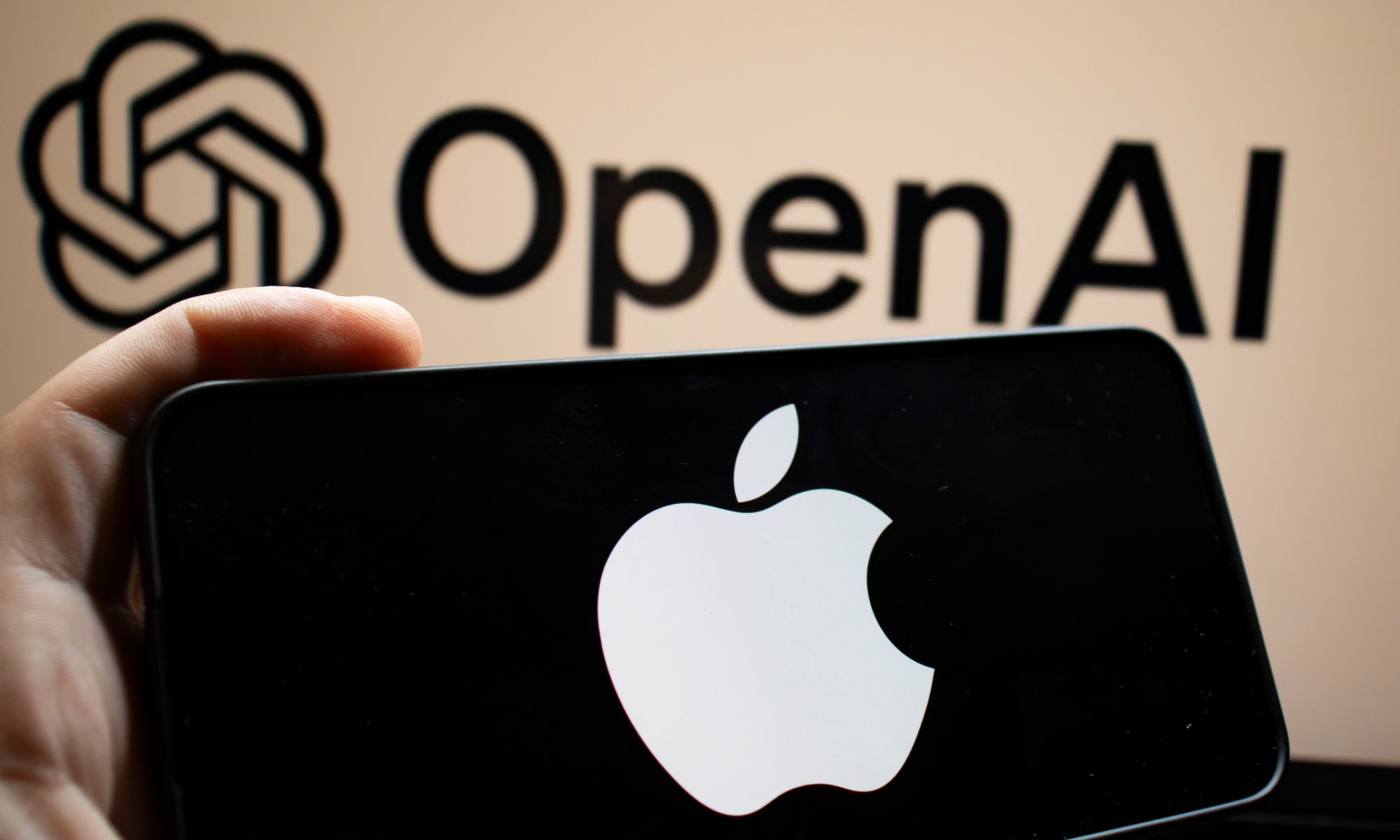
This new legal action also accuses Apple of blocking OpenAI’s access to hardware suppliers to “compete unfairly by any means available,” the Financial Times (FT) reported Saturday (Nov. 28).
OpenAI’s suit came in response to claims by Apple from earlier this year, accusing the artificial intelligence startup of stealing confidential information.
The FT noted that the escalating tensions will further diminish the relationship between the companies, which in 2024 joined forces to embed OpenAI’s ChatGPT into the iPhone.
OpenAI claims that Apple is using its “size and wealth to forestall competition,” such as threatening suppliers that might work on its devices, and accusing the company of a “wide variety of unlawful, unfair, and tortious conduct.”
The suit also claims Apple encouraged workers to keep corporate files on their personal devices and cloud storage accounts.
“Apple set quite a trap for employees,” the complaint said. “Bright young minds thought they would work in Cupertino. Instead they were joining Hotel California: you can check out any time you like, but you can never leave.”
This new suit follows claims by Apple in July accusing several ex-employees – OpenAI’s chief hardware officer Tang Tan among them – of sharing top-secret information about Apple’s product development and supply chain with their new employer.
OpenAI has denied stealing Apple’s trade secrets, characterizing the suit as an attempt to prevent the AI lab from hiring Apple staff.
Apple provided this statement to the FT in response to the new suit: “OpenAI’s counterclaims are a transparent attempt to distract from the substance of Apple’s lawsuit, in which OpenAI has already been ordered to stop using Apple’s confidential information.”
In other artificial intelligence news, PYMNTS spoke last week with WEX’s Chief Operating Officer, Americas Payments & Mobility Carlos Carriedo about the way the rise of AI tools is transforming the “competitive value of technology” around B2B payments.
That report cited new research from WEX showing that 44% of enterprises plan to adopt agentic AI within two years.
“Capabilities that once required significant internal development may become more accessible to competitors, reducing the advantage of deploying a particular tool,” the report said. “That puts greater emphasis on the proprietary information, specialized expertise and customer relationships that companies can use alongside it.”
The same thinking applies to talent. Carriedo argued that payments firms need professionals who offer both deep industry knowledge and a willingness to embrace unfamiliar technologies.
“And it’s not easy to find people like that,” he said.
For all PYMNTS AI coverage, subscribe to the daily AI Newsletter.