Four European banks beat third-quarter profit forecasts, while a fifth bank reported earnings in line with expectations, Reuters reported Wednesday (Oct. 28).
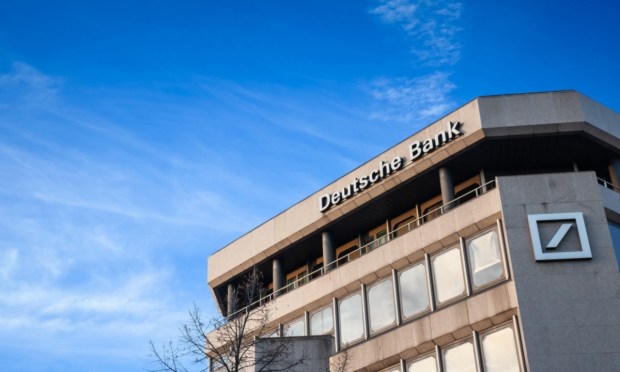
The banks reporting stronger-than-expected results Wednesday included Deutsche Bank, BNP Paribas, Standard Chartered and Santander, while the one that met expectations was UBS, according to the report.
These results reassured investors after a month in which banking stocks fell 10% due to concerns about European banks’ exposure to euro zone government debt and a weaker economic outlook. Those concerns were heightened Tuesday (Oct. 27) when HSBC reported weaker-than-expected revenue growth, the report said.
Prior to these concerns, European banks’ shares had been soaring as, since 2024, the banks have been reporting record profits driven by higher interest rates.
We’d love to be your preferred source for news.
Please add us to your preferred sources list so our news, data and interviews show up in your feed. Thanks!
Following their announcements of their third quarter results on Wednesday, Deutsche Bank shares were up 3.4%; Standard Chartered, up 3.7%; UBS, down 1.1%; and Santander, down 4.2%, according to the report.
The European banking index was flat, as was the broader market, per the report.
Bloomberg reported Wednesday that BNP Paribas’ equities revenue outperformed U.S. stock traders, while both BNP and Deutsche Bank reported shallower declines in fixed income than their American counterparts.
These results are notable because European investment banks traditionally fail to match the trading revenue reported by Wall Street firms, the report said.
The Wall Street Journal reported Wednesday that during the third quarter, volatility weighed on capital market activity, which led to some U.S. and European banks reporting results that were weaker than expected.
Meanwhile, the European Central Bank released a report showing that a net 12% of euro area businesses reported greater need for trade credit, while a net 11% reported greater need for credit lines.
In other news, the PYMNTS Intelligence report “The Real-Time Payments World Map” found that Europe’s instant payments rails are largely in place and that institutions now face the task of rewiring everything around them. The next stage of instant payments may look less visible to consumers than the launch period did, as the transformation is happening inside processing environments, customer journeys and operational systems, according to the report.


 Add as Preferred Source