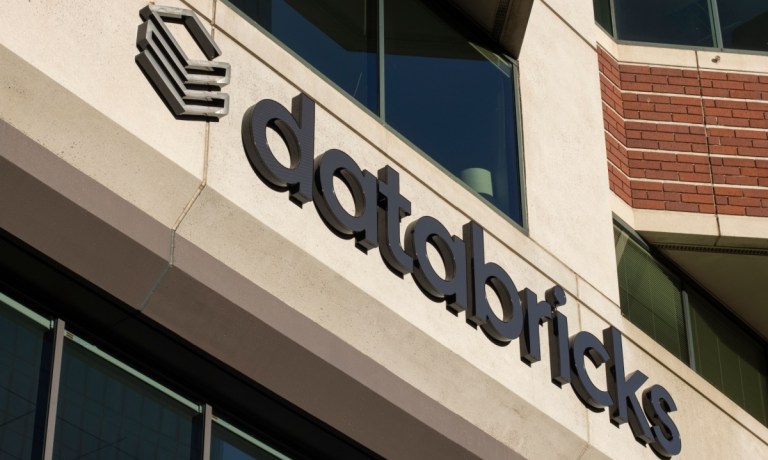
The database management software provider has discussed a funding round that could begin within the next month and value the company at between $165 billion and $175 billion, The Information reported Monday (June 8), citing sources familiar with the matter.
The new valuation would represent a jump from Databricks’ $134 billion valuation reached in a round last year. The report noted that Databricks has repeatedly held off on going public, choosing instead to raise private capital and conduct share sales.
Founder and CEO Ali Ghodsi told Bloomberg Television on Thursday (June 4) that this is “a terrible year” to go public due to high-profile initial public offerings (IPOs) from companies like SpaceX. Two other companies—OpenAI and Anthropic—have also filed for eventual IPOs that could generate hundreds of billions of dollars.
Still, Ghodsi has told investors in private that Databricks is still bound for an IPO, possibly as soon as in 2027, The Information added.
The report added that Databricks has enjoyed strong growth based on demand for its artificial intelligence (AI) offerings. The company said in February it had surpassed $5.4 billion in revenue run rate, up 65% from the prior year, while generating a run rate of more than $1.4 billion from AI. At the time, Ghodsi said the Databricks board was lobbying the firm to raise more capital out of worries about a possible AI slump.
In other AI news, recent PYMNTS Intelligence research has found that 53% of American workers now use AI on the job.
As PYMNTS CEO Karen Webster wrote, the combined wages of these workers comes to around $7 trillion a year, more than the entire economic output of Germany. It also puts the AI-powered American workforce, in terms of wages, behind only the United States and China among world economies.
However, she added, this figure needs an asterisk, as the survey includes factors cable news might avoid.
“That $7 trillion is the weight of the workers who have adopted AI, not a measure of what AI added. The paychecks were being earned before the models arrived,” Webster wrote.
“What the number actually tells us is the size of the AI on-ramp” she added. “The share of the working economy that now has AI somewhere in the workflow. And once a tool is in the workflow, as it turns out, it rarely stays at the office.”