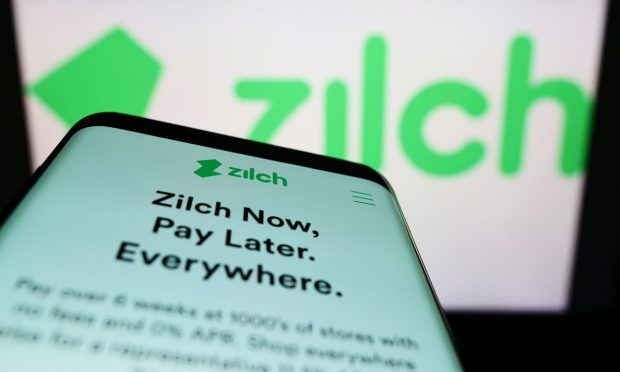
The company, whose offerings include buy now, pay later (BNPL) loans, is looking to list on the London Stock Exchange, the Financial Times (FT) reported Wednesday (Sept. 30).
Sources familiar with the matter told the FT Zilch recently invited investment banks to propose roles in an initial public offering (IPO), which could come as early as next year.
The report notes that Zilch has been frequently touted as a potential IPO candidate. The company was valued at $2 billion in a 2021 funding round, and sources close to the FinTech said it has sustained that valuation in subsequent rounds.
However, two sources close to the discussion said the IPO would be unlikely to generate that same valuation. Zilch lost £10.5 million ($13.9 million) in its last financial year, down from £50 million ($66.3 million) in losses the year before. Zilch hopes to be profitable by the time it goes public next year, the sources said.
We’d love to be your preferred source for news.
Please add us to your preferred sources list so our news, data and interviews show up in your feed. Thanks!
Zilch in January announced plans to purchase Lithuania’s Fjord Bank, part of an international expansion plan that granted the company a European banking license.
The eight-year-old company has nearly six million customers, generating revenue from targeted ads based on transaction data. In addition to BNPL, Zilch also offers a cashback debit card and zero-interest loans, the report added.
“After a transformative 12 months for the business, we are fully focused on executing our strategy which is delivering impressive growth, with all strategic options remaining open,” a Zilch spokesperson said in a statement to PYMNTS.
In addition to the Fjord Bank deal, the company also noted that 12-month period had seen it obtain a license from the U.K.’s Financial Conduct Authority, and a form a partnership with British football club Arsenal
In related news, recent PYMNTS Intelligence shows that customers who spread purchases across multiple BNPL providers are the ones most prepared to pay interest, the very thing pay-later products were designed to avoid.
“That distinction may impact how far the product can move beyond Pay in 4,” PYMNTS wrote last month, citing data from “Beyond Pay in 4: Many BNPL Buyers Would Pay for More Time,” the August edition of The Pay Later Ecosystem Report.
The research found that among BNPL customers who use four or more providers, 82% would pay interest if it meant accessing a longer repayment schedule. For consumers using just one provider, the share dropped to 46%, while users of two or three providers came in between at 70%.
“The gap suggests that BNPL’s most active customers could provide a natural market for longer-duration credit,” PYMNTS wrote.
“They already use multiple providers, and their willingness to accept interest indicates that at least some are looking for how long they have to repay.”


 Add as Preferred Source