However, for a merchant deciding how much stock to send Amazon before the next holiday rush, the bigger change may be what happens after the holidays. Sellers whose goods move within six months will pay the same or less for storage, the announcement said. Those whose merchandise sits longer will pay more.
The changes put a price on the speed that Amazon and Walmart are each trying to sell to shoppers. Independent merchants account for more than 60% of sales in Amazon’s store, according to the announcement. For those who use Fulfillment by Amazon, which stores and ships their products, the average fee increase amounts to about 0.8% of the average item’s selling price. Most changes take effect Jan. 15. Some products will cost less to ship, depending on their size, type and price. Amazon will keep its fuel and logistics surcharge in place.
Storage rules change Feb. 1. Amazon will drop its storage utilization surcharge and fold a separate charge for aging inventory into one monthly rate based on how long goods stay in its warehouses, the announcement said. Sellers can use a new dashboard to see how the changes affect individual products.
Amazon will also change how it charges merchants for carrying too little stock. Starting Feb. 1, it will use actual shipments in the four weeks before and after an assessment to determine whether a seller fell below 28 days of supply, according to the announcement. Looking ahead as well as back should help distinguish a product that regularly needs replenishing from a seasonal item that had one unexpectedly strong week.
Amazon’s case for paying for fulfillment rests on what shoppers do when they see a delivery date. Purchase rates rise more than 20% when the promised wait drops from more than four days to two, the announcement said. Cutting the wait from two days to hours can lift that rate another 15% or more.
In other developments from Walmart and Amazon:
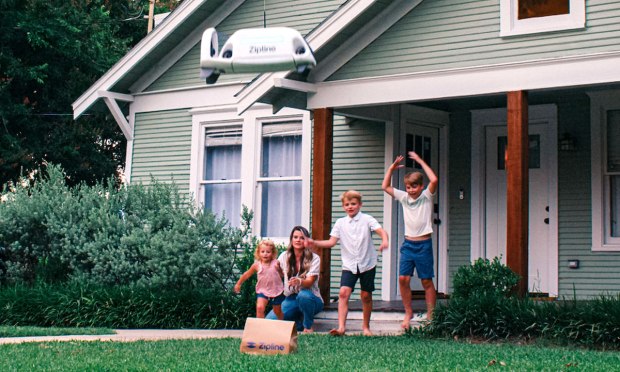
- Walmart wants the forgotten ingredient. Walmart announced Thursday a multiyear agreement with Zipline to add 300 U.S. drone delivery sites, PYMNTS reported. Its drone program has already completed more than 2 million deliveries, according to a press release. At eligible addresses, shoppers can order from tens of thousands of items through Walmart’s app or website and receive them in as little as 30 minutes. The opportunity is the small purchase that might otherwise send someone to the nearest store, such as frosting for a cake already in the oven. The share of U.S. consumers who live within 10 miles of a Walmart store is 90%. The rollout gives the retailer another way to turn that proximity into an order.
- Amazon wants the whole Thanksgiving cart. Amazon Grocery is offering an 8-pound Butterball turkey plus ingredients for sides and dessert for $25 through Nov. 26, while supplies last, according to a Monday (Nov. 2) press release. The meal price meets the $25 minimum for free same-day delivery under the offer, available in more than 2,300 U.S. cities and towns. Shoppers can add paper plates, napkins or other household purchases at the same checkout. Amazon added more than 6,000 items to its same-day grocery selection in the past six months, and fresh groceries accounted for all 10 of its bestsellers on the service last quarter. The holiday offer gives shoppers who already count on Amazon for eggs or bananas a reason to trust it with dinner for the family.