Get the report: The Digital Care Connection
One crucial factor that impacts patients’ ability to receive care is insurance. PYMNTS research found that while nearly 15% of consumers with insurance accessed mental healthcare services in the last year, just 6% of consumers without insurance did the same.
The size of this gap underscores how critical insurance coverage can be.
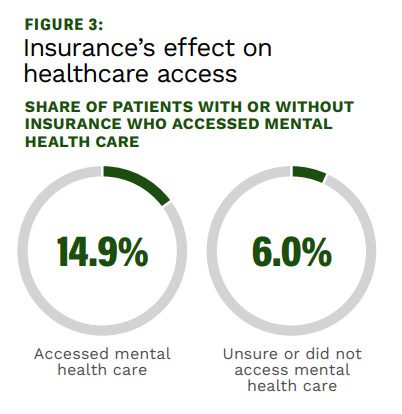
Unfortunately, having insurance is not a silver bullet. For example, policies may not cover entire bills, or patients’ preferred mental health professionals might not accept their policies.
We’d love to be your preferred source for news.
Please add us to your preferred sources list so our news, data and interviews show up in your feed. Thanks!
One solution to high one-time costs is the installment payment model. While this has gained popularity for retail purchases, many patients are unaware that similar interest-free payment plans may be available for their healthcare expenditures.
Advertisement: Scroll to Continue
In fact, this lack of awareness is common: PYMNTS’ data shows that 47% of consumers are “unsure” or “do not know” whether they can pay for mental healthcare services with payment plans.
Just 31% of patients are aware and know definitively that their mental healthcare providers offer payment plans — and more than half of these patients have used these financial solutions.
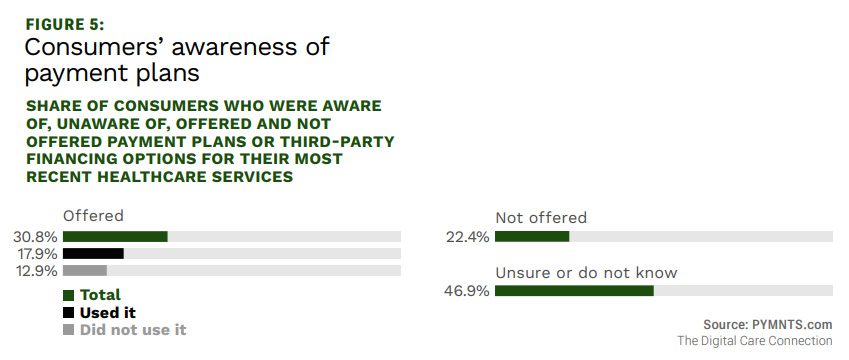
The relatively high rates of adoption and demand confirm what many would suspect: Patients feel more comfortable accessing healthcare when they know there is flexibility baked into the process.
Patients’ unawareness that payment plans may be available for their healthcare expenditures is a significant barrier to care, as the threat of high costs can discourage those attempting to connect with mental health practitioners.
Education about payment options is therefore paramount.



 Add as Preferred Source